
On this first point, I think it is making a very generous and, frankly, counterproductive assumption that people agree that we have a moral obligation to save the planet. A lot of people don’t care or don’t realize that they should, which is a huge part of the problem. There’s a lot of short-term, profit-driven thinking that is wholly incompatible with environmental protection, and that thinking is what drives the world as we know it. As I’ve talked about before, most proposed solutions to climate change, especially those on an individual level, are a bandaid on the gaping bullet wound that is the damage we’ve done to our climate. In many ways it’s too late to save the planet from some of the worst symptoms of climate change, but what can and should be done is a set of strict, global standards governing carbon emissions and a forced change to our way of life in the west in order to preserve our planet. That being said, I can say with full confidence that something like this will never happen, ever. Our system is so deeply entrenched that it would take the destruction of the west for anything to ever really change. World leaders may pay lip service to fixing our planet, but the agreements they’ve produced have amounted to nothing more than them scoring points with their political bases. While there might be a general consensus that something must be done, no nation is willing to take the costly, way-of-life-altering steps necessary to actually save our planet.
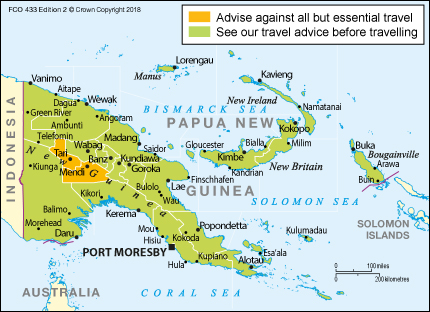
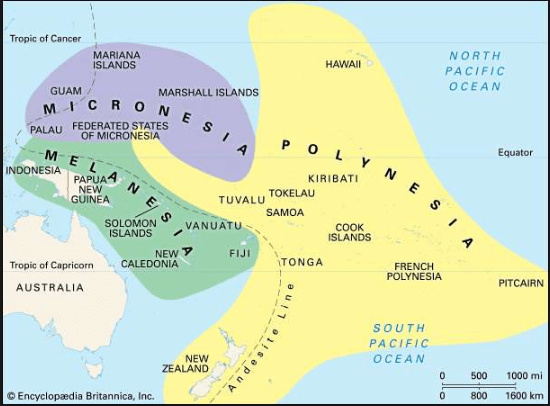
Both Papua New Guinea and the Solomon Islands have 350.org offices. Water.org does not seem to have much of a presence in this region. PNG does have a conservation.org presence focused on empowering community leaders to help address environmental concerns domestically. Since both of these countries are island chains, the threat from climate change is very real and very urgent. PNG is already experiencing the ill effects of rising sea levels and the unstable weather patterns that result from climate change. In the Solomon Islands, some islands have been completely submerged, while other have had villages permanently submerged because of rising sea levels. In the long term, rising seas threaten to swallow vast swaths of both countries entirely. PNG and the Solomon Islands are poster-children for the ill-effects of climate change, especially since they are small and do not have the international financial or political capitol to stop it. These countries both have had, and continue to have, corruption problems as well, further worsening their plight. Industries such as palm oil production devastate the pristine, extremely biodiverse ecosystems within these nations with no ramifications. This industry, of course, counts on the thirst in the west for cheap oil for food and cosmetics to continue to flourish, destroying rainforests the world over in the process. Countering the environmental devastation caused by palm oil producers wouldn’t be particularly challenging, but as with most of these situations people are unwilling to change the way they live to protect their environment.
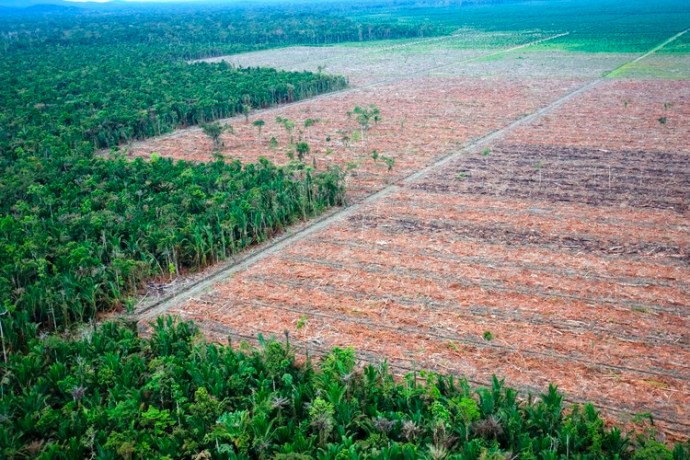
Greenpeace is definitely active in PNG, and recently criticized a local palm-oil producer for destroying rainforests to grow oil palms. They leveled the same criticism at another company in the Solomon Islands as well. Solving the devastation caused by these producers would be very simple: western nations would only have to place an embargo on all palm oil produced through clear-cutting of rainforests, with simple, verifiable checks in place to ensure compliance. This, however, would be costly and would raise food prices, especially for consumers making it a no-go for our most, if not all, of the west.
Sources







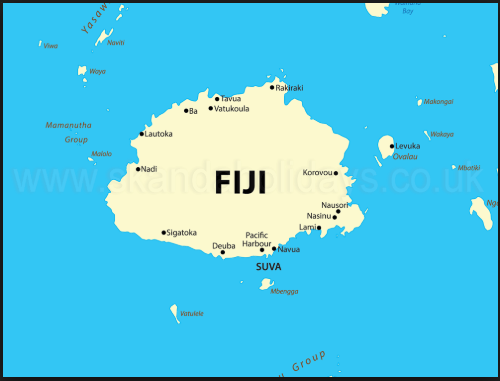
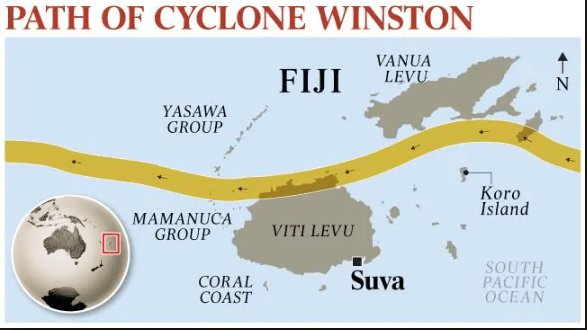 In the article Mr. Bainimarama (the countries prime minister) said “climate change was causing extreme weather events to become more severe and occur more often.” “As a nation we are starting to build our resilience in response of the frightening new era that is upon us. It is a fight for our very survival.”
 Globalization and Technologies in Oceania